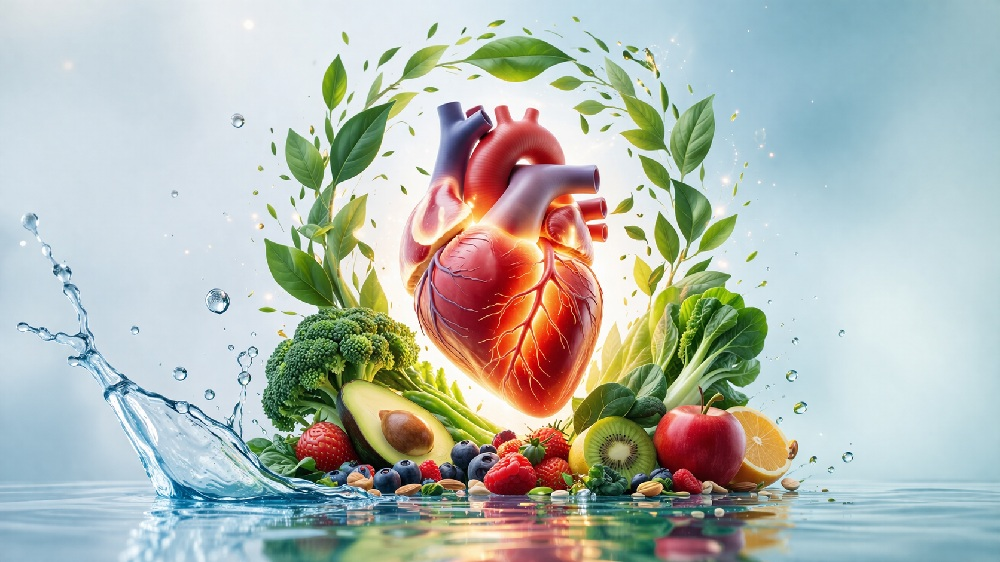
The heart is one of the most vital organs in the human body. It works tirelessly every second of the day to pump blood, deliver oxygen, and supply nutrients to every cell. Without a healthy heart, the body cannot function properly. Maintaining heart health is essential for living a long, energetic, and disease-free life.
In recent years, heart disease has become one of the leading causes of death worldwide. Sedentary lifestyles, unhealthy diets, stress, smoking, and lack of physical activity are major contributors to cardiovascular problems. The good news is that many heart diseases can be prevented through healthy lifestyle choices, proper nutrition, and regular exercise.
This comprehensive guide explores everything you need to know about heart health, including the importance of a healthy heart, risk factors, symptoms of heart disease, diet, exercise, lifestyle habits, and natural ways to protect your cardiovascular system.
Understanding Heart Health
Heart health refers to the overall condition and functioning of the cardiovascular system, which includes the heart, blood vessels, and blood circulation. A healthy heart efficiently pumps blood throughout the body without strain or blockage.
The cardiovascular system performs several critical functions:
- Pumping oxygen-rich blood throughout the body
- Delivering nutrients to tissues and organs
- Removing waste products and carbon dioxide
- Maintaining blood pressure and circulation
When the heart becomes weak or blood vessels become blocked, it can lead to serious conditions such as heart attacks, stroke, high blood pressure, and heart failure.
Maintaining heart health ensures that the body remains energetic, organs function properly, and the risk of life-threatening diseases is minimized.
Why Heart Health Is Important
Taking care of your heart is essential because it affects nearly every aspect of your overall well-being.
1. Prevents Heart Disease
A healthy lifestyle significantly reduces the risk of coronary artery disease, heart attacks, and stroke.
2. Improves Blood Circulation
Good heart health ensures proper blood flow, which allows oxygen and nutrients to reach every part of the body.
3. Increases Energy Levels
When the heart functions efficiently, the body receives more oxygen, which helps improve stamina and energy levels.
4. Enhances Brain Health
The brain depends heavily on oxygen-rich blood. Maintaining heart health helps reduce the risk of cognitive decline and stroke.
5. Promotes Longevity
Studies show that people who maintain a healthy heart often live longer and healthier lives.
Common Heart Diseases
Several cardiovascular diseases can affect heart health. Understanding them can help you recognize warning signs early.
1. Coronary Artery Disease
This occurs when plaque builds up in the arteries, reducing blood flow to the heart.
Symptoms may include:
- Chest pain
- Shortness of breath
- Fatigue
- Heart attack in severe cases
2. Heart Attack
A heart attack occurs when blood flow to the heart is suddenly blocked. This is a medical emergency that requires immediate treatment.
Common symptoms include:
- Chest pressure or pain
- Pain in the arm, jaw, or back
- Shortness of breath
- Nausea or dizziness
3. Heart Failure
Heart failure happens when the heart cannot pump blood efficiently. This does not mean the heart stops working, but it becomes weaker over time.
Symptoms include:
- Swelling in legs and ankles
- Extreme fatigue
- Difficulty breathing
4. Arrhythmia
An arrhythmia is an irregular heartbeat, which may be too fast or too slow.
Some arrhythmias are harmless, but severe cases can increase the risk of stroke or heart failure.
Major Risk Factors for Heart Disease
Many factors can increase the risk of heart disease. Some are controllable, while others are not.
1. High Blood Pressure
Hypertension puts extra strain on the heart and blood vessels, increasing the risk of heart attack and stroke.
2. High Cholesterol
High levels of LDL cholesterol (bad cholesterol) can cause plaque buildup in arteries.
3. Smoking
Smoking damages blood vessels and reduces oxygen in the blood, making it a major risk factor for heart disease.
4. Obesity
Excess body weight increases the likelihood of diabetes, high blood pressure, and heart problems.
5. Diabetes
People with diabetes have a higher risk of cardiovascular disease because high blood sugar damages blood vessels.
6. Lack of Physical Activity
A sedentary lifestyle weakens the heart and increases the risk of obesity and hypertension.
7. Stress
Chronic stress may raise blood pressure and lead to unhealthy habits like overeating or smoking.
Signs of Poor Heart Health
Recognizing the warning signs of heart problems can help prevent serious complications.
Common symptoms include:
- Chest discomfort or pressure
- Shortness of breath
- Fatigue
- Irregular heartbeat
- Swelling in legs or ankles
- Dizziness or fainting
If you experience persistent symptoms, it is important to consult a healthcare professional immediately.
Best Foods for Heart Health
A balanced diet plays a crucial role in maintaining a healthy heart.
1. Leafy Green Vegetables
Vegetables like spinach, kale, and broccoli are rich in vitamins, minerals, and antioxidants that support heart health.
2. Fatty Fish
Fish such as salmon, tuna, and mackerel are excellent sources of omega-3 fatty acids, which help reduce inflammation and lower cholesterol.
3. Whole Grains
Whole grains like oats, brown rice, and quinoa help reduce bad cholesterol levels.
4. Nuts and Seeds
Almonds, walnuts, and flaxseeds contain healthy fats that support cardiovascular health.
5. Fruits
Fruits like berries, apples, oranges, and bananas are rich in fiber and antioxidants that protect the heart.
6. Olive Oil
Olive oil is a key component of the Mediterranean diet, known for improving heart health.
Foods to Avoid for a Healthy Heart
Some foods increase the risk of heart disease and should be limited.
These include:
- Processed foods
- Sugary drinks
- Fried foods
- Excess salt
- Trans fats
- Refined carbohydrates
Reducing these foods can significantly improve cardiovascular health.
Best Exercises for Heart Health
Regular physical activity strengthens the heart and improves circulation.
1. Walking
Walking for 30 minutes daily is one of the easiest ways to improve heart health.
2. Running or Jogging
These activities improve cardiovascular endurance and help maintain healthy weight.
3. Cycling
Cycling strengthens the heart while being gentle on the joints.
4. Swimming
Swimming is a full-body workout that improves heart and lung capacity.
5. Strength Training
Resistance exercises help maintain muscle mass and support overall metabolic health.
Experts recommend at least 150 minutes of moderate exercise per week.
Lifestyle Habits for Better Heart Health
Healthy habits play a crucial role in protecting your heart.
1. Quit Smoking
Stopping smoking significantly reduces the risk of heart disease.
2. Maintain a Healthy Weight
A balanced diet and regular exercise help maintain a healthy body weight.
3. Manage Stress
Practices such as meditation, yoga, and deep breathing can reduce stress.
4. Get Enough Sleep
Adults should aim for 7–8 hours of sleep each night to support heart health.
5. Stay Hydrated
Drinking enough water helps maintain proper blood circulation.
Natural Ways to Improve Heart Health
Several natural strategies can support cardiovascular wellness.
Herbal Remedies
Some herbs known for heart benefits include:
- Garlic
- Turmeric
- Ginger
- Green tea
These ingredients contain antioxidants that help reduce inflammation.
Yoga and Meditation
Yoga helps reduce stress, improve breathing, and enhance circulation.
Regular Health Checkups
Monitoring blood pressure, cholesterol, and blood sugar levels helps detect problems early.
Heart Health for Different Age Groups
Heart Health in Young Adults
Young adults should focus on:
- Staying physically active
- Avoiding smoking
- Eating balanced meals
Heart Health in Middle Age
At this stage, monitoring cholesterol, blood pressure, and weight becomes more important.
Heart Health for Seniors
Older adults should focus on low-impact exercise, balanced nutrition, and regular medical checkups.
Tips to Keep Your Heart Strong
Here are simple daily tips to improve heart health:
- Eat more fruits and vegetables
- Exercise regularly
- Avoid smoking
- Limit alcohol consumption
- Reduce stress
- Maintain a healthy weight
- Sleep well
Small lifestyle changes can make a big difference over time.
Conclusion
Maintaining heart health is essential for living a long, active, and fulfilling life. The heart works continuously to keep the body functioning, so taking care of it should be a top priority.
By adopting healthy eating habits, regular exercise, stress management, and routine medical checkups, individuals can significantly reduce their risk of heart disease. Prevention is always better than treatment, and small changes today can protect your heart for years to come.
Remember, a healthy heart leads to a healthier life. Making mindful choices every day can strengthen your cardiovascular system and improve your overall well-being.
