Introduction
The Snake Plant is one of the most popular indoor plants in the world. Known for its strong leaves, unique appearance, and low maintenance needs, it has become a favorite choice for homes, offices, and indoor spaces. Scientifically known as Sansevieria trifasciata, the snake plant is also commonly called Mother-in-Law’s Tongue due to the sharp shape of its leaves.
Beyond its decorative value, the snake plant is widely appreciated for its health benefits. It helps improve indoor air quality, releases oxygen at night, and survives in conditions where many other plants fail. Because of these qualities, it is often recommended for beginners and people who want greenery without constant care.
Table of Contents
What Is a Snake Plant?
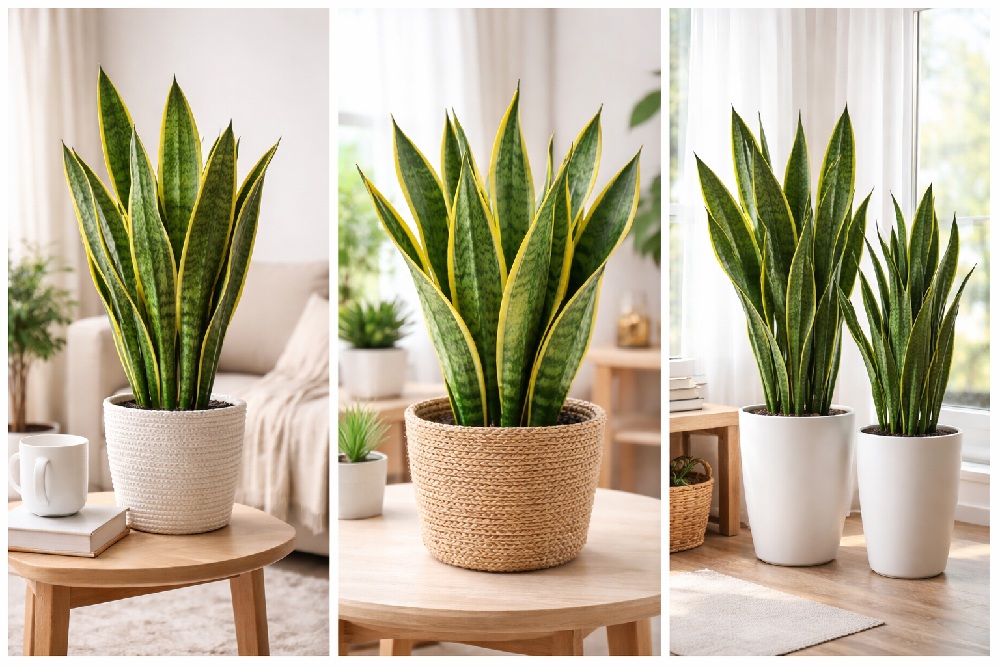
The snake plant is a hardy perennial plant native to West Africa. It belongs to the Asparagaceae family and is known for its upright, sword-like leaves that grow vertically. The leaves are usually green with yellow or light green edges, though several varieties exist with different patterns and colors.
Snake plants are slow-growing but extremely durable. They can tolerate low light, irregular watering, and dry indoor air, which makes them ideal for modern indoor environments.
Common Names and Classification
English Name: Snake Plant
Scientific Name: Sansevieria trifasciata
Other Common Name: Mother-in-Law’s Tongue
Plant Type: Evergreen indoor plant
Benefits of Snake Plant
Oxygen Production
One of the most unique benefits of the snake plant is its ability to release oxygen at night. Most plants release oxygen during the day and carbon dioxide at night, but the snake plant follows a different process known as CAM (Crassulacean Acid Metabolism). Because of this, it continues to improve air quality even while people sleep, making it an excellent plant for bedrooms.
Air Purification
The snake plant is known for its air-purifying properties. It helps remove harmful toxins from indoor air, such as formaldehyde, benzene, xylene, and carbon dioxide. These toxins are commonly released from furniture, paints, cleaning products, and electronic devices. By absorbing these pollutants, the snake plant contributes to a healthier indoor environment.
Low Maintenance Plant
One of the biggest reasons for the snake plant’s popularity is its low maintenance requirement. It does not need frequent watering, special fertilizers, or constant sunlight. Even people with very little gardening experience can successfully grow and maintain this plant.
Stress Reduction and Mental Well-Being
Indoor plants are known to have a positive effect on mental health, and the snake plant is no exception. Its green color and strong structure help create a calm and refreshing environment. Studies suggest that indoor plants can reduce stress, improve concentration, and promote relaxation.
Long Lifespan
Snake plants are long-living plants. With basic care, they can survive for many years and continue growing slowly. This makes them a cost-effective and reliable choice for indoor decoration.
Snake Plant Care Guide
Watering
Snake plants require very little water. Over-watering is the most common mistake people make with this plant.
Watering Guidelines:
- Water once every 7 to 10 days in summer
- Water once every 15 to 20 days in winter
- Always let the soil dry completely before watering again
Too much water can cause root rot, which may damage or kill the plant.
Light Requirements
Snake plants are highly adaptable when it comes to light.
Light Conditions:
- Grows well in low light
- Thrives in bright, indirect sunlight
- Can tolerate artificial light
However, direct and harsh sunlight for long periods should be avoided, as it can damage the leaves.
Soil Type
Well-draining soil is essential for snake plants. Soil that holds too much water can harm the roots.
Recommended Soil:
- Cactus or succulent soil
- A mix of garden soil, sand, and compost with good drainage
Temperature and Humidity
Snake plants prefer warm indoor temperatures.
Ideal Temperature:
- Between 15°C and 30°C
They do not tolerate frost or extreme cold, so they should be kept indoors during winter in colder regions. Normal indoor humidity levels are sufficient for this plant.
Fertilizer
Snake plants do not require frequent fertilization.
Fertilizer Tips:
- Feed once every 2–3 months during the growing season
- Use a mild liquid fertilizer
- Avoid over-fertilizing
Best Places to Keep a Snake Plant
Bedroom
Because it releases oxygen at night, the snake plant is one of the best plants for bedrooms. It helps improve air quality and supports better sleep.
Living Room
In living rooms, snake plants add a modern and elegant look. Their upright leaves make them suitable for corners and small spaces.
Office or Workplace
Snake plants are ideal for offices because they tolerate artificial light and help reduce indoor pollution. They also enhance focus and productivity.
Near Windows
Place the plant near a window with indirect sunlight for healthy growth, but avoid direct sunlight exposure.
Snake Plant Varieties
There are several popular varieties of snake plants, including:
- Sansevieria Laurentii (green leaves with yellow edges)
- Sansevieria Moonshine (silvery-green leaves)
- Sansevieria Cylindrica (round, cylindrical leaves)
- Sansevieria Zeylanica (dark green patterned leaves)
Each variety has similar care needs but offers a different visual appeal.
Common Problems and Solutions
Yellowing Leaves
Cause: Over-watering
Solution: Reduce watering and improve drainage
Soft or Mushy Leaves
Cause: Root rot due to excess water
Solution: Remove damaged roots and repot in dry soil
Slow Growth
Cause: Low light or lack of nutrients
Solution: Move to brighter indirect light and fertilize lightly
Is Snake Plant Safe?
Snake plants are mildly toxic if ingested, especially for pets like cats and dogs. They should be kept out of reach of children and animals. However, they are completely safe to touch and handle.
Why Snake Plant Is Ideal for Modern Homes
Modern lifestyles often leave little time for plant care. The snake plant fits perfectly into such routines because it requires minimal attention while offering maximum benefits. Its ability to survive neglect, purify air, and enhance interior design makes it one of the most practical indoor plants available today.
Environmental Importance
By improving indoor air quality and increasing oxygen levels, snake plants contribute to a healthier living environment. Widespread use of indoor plants like snake plants can help reduce the impact of indoor pollution, which is becoming a growing concern in urban areas.
Conclusion
The snake plant is a powerful and reliable indoor plant that combines beauty, durability, and health benefits. It improves air quality, releases oxygen at night, requires very little care, and adapts easily to different indoor conditions. Whether you are a beginner or an experienced plant lover, the snake plant is an excellent choice for homes, offices, and apartments.
