Introduction
Spending time on beaches and in tropical environments is relaxing—but sometimes it comes with unexpected problems like sand flea bites. These tiny pests can cause irritating bites that lead to itching, redness, and even infections if not treated properly.
Many people confuse sand flea bites with mosquito or bed bug bites, which can delay proper care. Understanding how sand flea bites look, what symptoms they cause, and how to treat them is essential for quick relief and prevention.
Table of Contents
What Are Sand Fleas?


7
Sand fleas are tiny parasitic insects or crustaceans commonly found in sandy areas such as beaches, coastal regions, and tropical climates. They are often invisible to the naked eye due to their small size.
Some species simply bite the skin, while others—like the Tunga penetrans (also known as the jigger flea)—can burrow into the skin and cause a condition called Tungiasis.
What Do Sand Flea Bites Look Like?


8
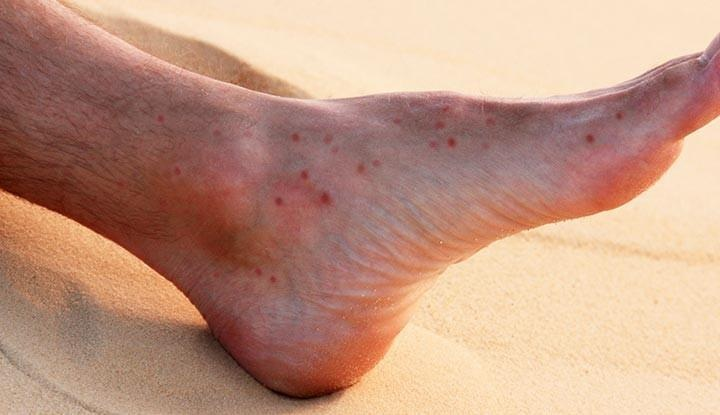
Sand flea bites can vary in appearance depending on the type of flea and your skin’s reaction.
Common Signs
- Small red bumps
- Clusters of bites (especially on feet and ankles)
- Intense itching
- Swelling or irritation
- Tiny black dot in the center (in burrowing cases)
These bites are usually found on areas exposed to sand, such as feet, legs, and ankles.
Symptoms of Sand Flea Bites
Symptoms may appear within minutes or hours after exposure.
Mild Symptoms
- Itching
- Redness
- Small raised bumps
Moderate Symptoms
- Swelling
- Burning sensation
- Skin irritation
Severe Symptoms (Rare)
- Blisters
- Open sores
- Infection
- Painful lesions (in tungiasis cases)
Causes of Sand Flea Bites
Sand flea bites occur when these tiny pests feed on blood or penetrate the skin.
Common Causes
- Walking barefoot on beaches
- Sitting or lying directly on sand
- Visiting tropical or coastal areas
- Poor hygiene or sanitation conditions
Where Do Sand Fleas Live?
Sand fleas thrive in:
- Beaches
- Coastal regions
- Sandy soil
- Warm and humid climates
They are most active during early morning and evening hours.
Sand Flea Bites vs Other Insect Bites
Many people confuse sand flea bites with other insect bites.
| Feature | Sand Flea Bites | Mosquito Bites | Bed Bug Bites |
|---|---|---|---|
| Location | Feet & ankles | Anywhere | Arms, back |
| Pattern | Clustered | Random | Lines/groups |
| Itching | Intense | Moderate | Severe |
| Timing | After beach exposure | Anytime | Night |
Treatment for Sand Flea Bites
Proper treatment can reduce discomfort and prevent complications.
1. Clean the Area
Wash the affected skin with soap and water.
2. Apply Cold Compress
Helps reduce swelling and itching.
3. Use Anti-Itch Creams
Over-the-counter creams can relieve irritation.
4. Take Antihistamines
Useful for allergic reactions.
5. Avoid Scratching
Prevents infection and scarring.
Medical Treatment
In severe cases, medical care may be required.
Doctor-Recommended Treatments
- Antibiotics (for infection)
- Steroid creams
- Removal of embedded fleas (in tungiasis)
Always consult a healthcare provider if symptoms worsen.
Home Remedies for Sand Flea Bites
Natural remedies can help relieve mild symptoms.
1. Aloe Vera
Soothes skin and reduces inflammation.
2. Baking Soda Paste
Helps reduce itching.
3. Coconut Oil
Moisturizes and prevents infection.
4. Tea Tree Oil
Has antibacterial properties.
When to See a Doctor
Seek medical help if you notice:
- Severe swelling
- Pus or infection
- Persistent pain
- Fever
- Embedded flea in skin
Early treatment prevents complications.
Complications of Sand Flea Bites
If untreated, sand flea bites can lead to:
- Skin infections
- Ulcers
- Scarring
- **Tungiasis complications
How to Prevent Sand Flea Bites
Prevention is the best way to avoid discomfort.
1. Wear Footwear
Avoid walking barefoot on sand.
2. Use Insect Repellent
Apply before visiting beaches.
3. Avoid Sitting Directly on Sand
Use towels or beach mats.
4. Shower After Beach Visits
Removes any fleas from the skin.
5. Choose Clean Beaches
Avoid areas with poor hygiene.
Are Sand Flea Bites Dangerous?
Most sand flea bites are not dangerous and heal on their own. However, burrowing fleas can cause serious issues if not treated properly.
Healing Time
- Mild bites: 2–4 days
- Moderate bites: 1 week
- Severe cases: Several weeks
Proper care speeds up healing.
Myths About Sand Flea Bites
Myth 1: Sand fleas only live in dirty places
Fact: They can be found on clean beaches too.
Myth 2: All bites are dangerous
Fact: Most are harmless.
Myth 3: You can’t prevent bites
Fact: Simple precautions can reduce risk.
Tips for Travelers
If you’re traveling to tropical destinations:
- Carry insect repellent
- Wear closed shoes
- Avoid high-risk areas
- Check your skin regularly
Conclusion
Sand flea bites can be uncomfortable, but they are usually manageable with proper care. Recognizing the symptoms early and following the right treatment steps can prevent complications and ensure quick recovery.
By taking preventive measures and maintaining good hygiene, you can enjoy your beach trips without worrying about these tiny pests.
