Introduction
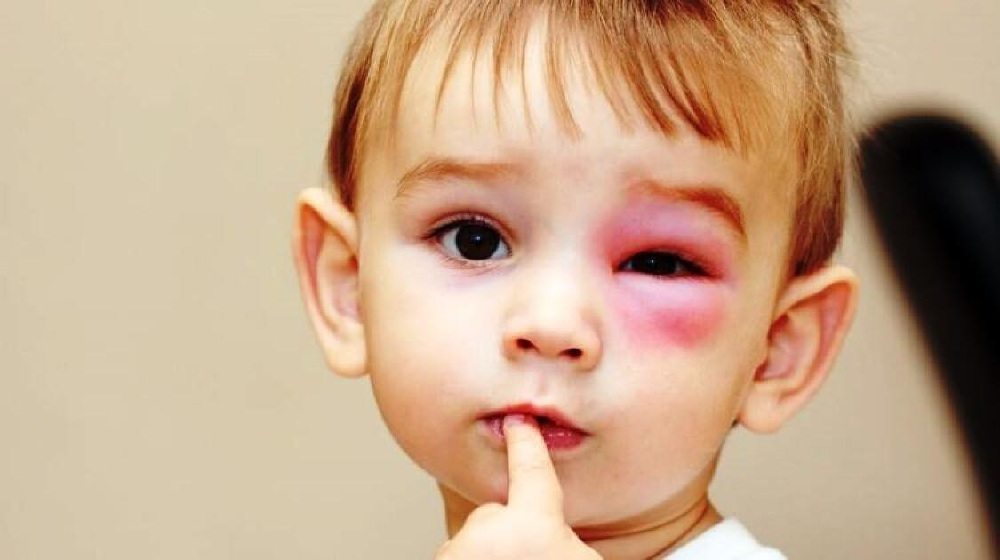
Bug bites can happen anywhere on the body, but when they occur on sensitive areas like the eyelid, they can be especially uncomfortable and concerning. The eyelid is one of the thinnest and most delicate parts of the skin, making it more prone to swelling, irritation, and allergic reactions.
A small insect bite on the eyelid can quickly turn into noticeable puffiness, redness, and itching, sometimes even affecting your vision temporarily. While most bug bites on the eyelid are harmless and resolve on their own, some cases require careful attention and proper treatment.
In this detailed guide, we’ll explore expert advice on identifying, treating, and preventing bug bites on the eyelid, along with signs that indicate when medical help is necessary.
Table of Contents
What Causes Bug Bites on the Eyelid?
Bug bites on the eyelid are usually caused by common insects that come into contact with your face, especially while sleeping or spending time outdoors.
Common Culprits
- Mosquitoes
- Bed bugs
- Gnats
- Fleas
- Ants
These insects are attracted to warmth, carbon dioxide, and exposed skin, making the face an easy target.
What Does a Bug Bite on the Eyelid Look Like?


6
Common Signs
- Swelling (sometimes severe)
- Redness around the eyelid
- Itching or irritation
- Small bump or welt
- Watery eyes
Due to the loose tissue around the eyes, even a small bite can cause significant swelling.
Symptoms to Watch For
Mild Symptoms
- Slight swelling
- Itching
- Redness
Moderate Symptoms
- Puffy eyelid
- Mild pain or discomfort
- Sensitivity to light
Severe Symptoms
- Extreme swelling (eye nearly shut)
- Vision disturbance
- Severe pain
- Fever or infection signs
If symptoms worsen, medical attention may be required.
Why Eyelid Bites Swell So Much
Doctors explain that eyelid swelling appears more dramatic because:
- The skin is very thin
- There is loose connective tissue
- Fluid accumulates easily
Even a minor bite can look severe but may not be dangerous.
Immediate First Aid for Eyelid Bug Bites
1. Clean the Area
Gently wash with clean water and mild soap. Avoid rubbing.
2. Apply a Cold Compress
Use a clean cloth with cold water or ice wrapped in fabric.
- Apply for 10–15 minutes
- Repeat several times a day
3. Avoid Scratching
Scratching can lead to infection and worsen swelling.
4. Keep the Head Elevated
Sleeping with your head slightly raised can reduce swelling.
Medical Treatments
If symptoms persist or worsen, doctors may recommend:
1. Antihistamines
Help reduce allergic reactions and itching.
2. Topical Creams
Mild steroid creams may be prescribed (avoid direct eye contact).
3. Antibiotics
Used if infection develops.
4. Eye Drops
For irritation or dryness.
Safe Home Remedies
These remedies can help relieve mild symptoms:
1. Cold Tea Bags
Green or black tea bags reduce swelling.
2. Aloe Vera
Soothes irritation (apply carefully, avoid eyes).
3. Cucumber Slices
Provide cooling and reduce puffiness.
4. Honey
Has natural antibacterial properties.
What NOT to Do
- Do not apply strong chemicals near the eyes
- Avoid using unknown creams
- Do not scratch or rub the area
- Avoid applying heat
When to See a Doctor
Seek medical help if you notice:
- Severe swelling or pain
- Difficulty seeing
- Signs of infection (pus, warmth)
- Fever
- Bite not improving after 2–3 days
Children and elderly individuals should be monitored more carefully.
How Long Does It Take to Heal?
- Mild bites: 1–3 days
- Moderate swelling: 3–5 days
- Severe cases: Up to a week or more
Proper care speeds up recovery.
Bug Bite vs Eye Infection
Sometimes eyelid bites are confused with infections.
Bug Bite
- Sudden swelling
- Itching
- Localized bump
Eye Infection
- Discharge
- Persistent redness
- Pain inside the eye
Correct identification is important for treatment.
Prevention Tips
At Home
- Use mosquito nets
- Keep bedding clean
- Avoid sleeping with windows open
Outdoors
- Use insect repellent
- Wear protective clothing
- Avoid high-insect areas
Personal Care
- Wash face before sleep
- Avoid scented products that attract insects
Are Eyelid Bug Bites Dangerous?
Most eyelid bug bites are not dangerous and heal without complications. However, allergic reactions or infections can make them serious if ignored.
Special Care for Children
Children are more sensitive to insect bites.
- Monitor swelling closely
- Prevent scratching
- Use doctor-approved medications only
Tips for Faster Recovery
- Stay hydrated
- Get proper rest
- Avoid touching the area
- Use cold compress regularly
Common Myths
Myth 1: Bigger swelling means dangerous bite
Fact: Eyelids swell more easily.
Myth 2: All bites need medication
Fact: Many heal naturally.
Myth 3: Heat reduces swelling
Fact: Cold is more effective.
Expert Advice Summary
Doctors recommend:
- Stay calm—most bites are harmless
- Use cold compress immediately
- Avoid scratching
- Monitor symptoms
- Seek help if needed
Conclusion
Bug bites on the eyelid may look alarming, but they are usually harmless and temporary. With proper care, most cases resolve quickly without complications.
Understanding the symptoms, using safe treatments, and knowing when to seek medical help can make a big difference in recovery.
By following expert advice and preventive measures, you can protect yourself and your family from discomfort and complications caused by insect bites.
