Introduction
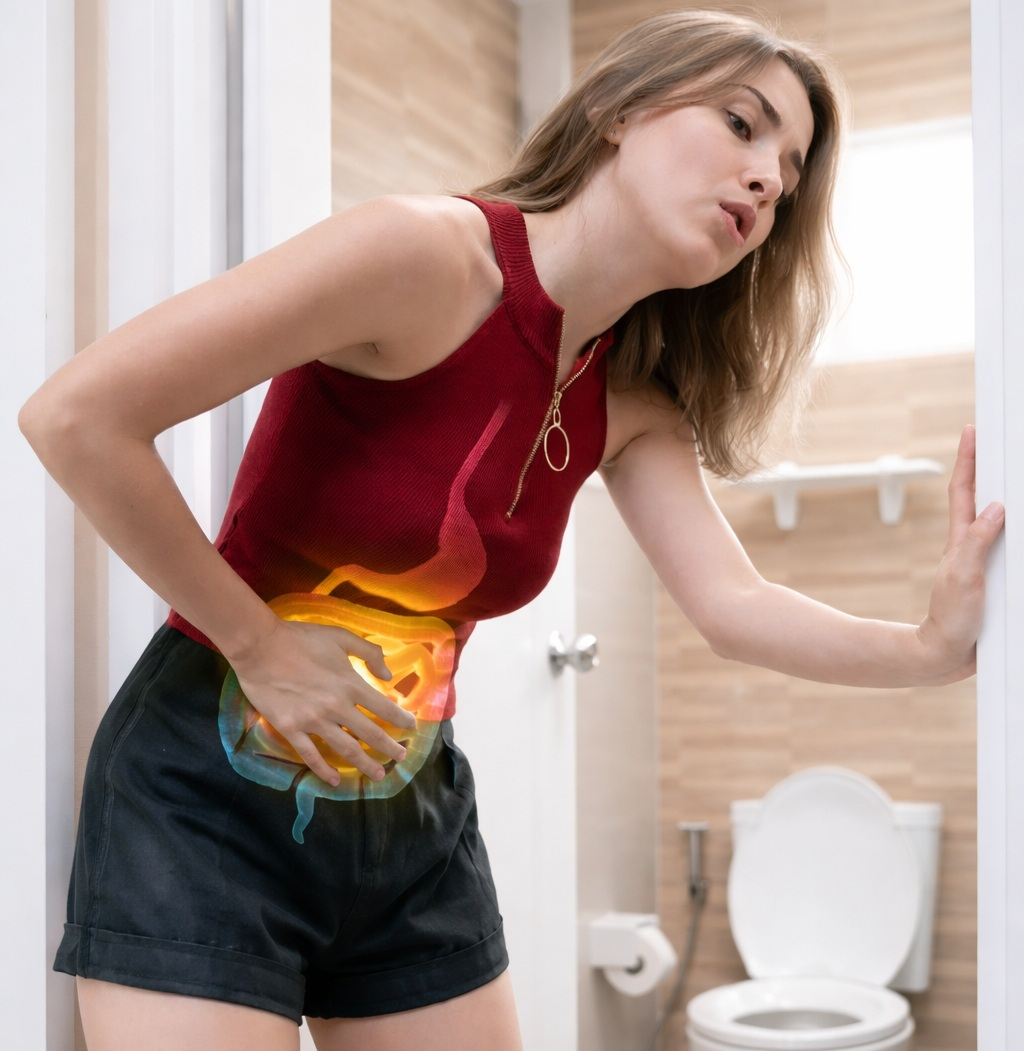
If you’ve ever experienced an IBS flare, you know it can feel unpredictable, uncomfortable, and even overwhelming. One moment your gut feels normal, and the next, you’re dealing with cramps, bloating, or urgent trips to the bathroom.
But what exactly is happening inside your body during these flare-ups?
In this complete guide, we’ll break down what happens to your gut during an IBS flare, why it occurs, and how you can manage it effectively. Whether you’re newly diagnosed or have been living with IBS for years, this article will give you clarity and practical solutions.
Table of Contents
What is IBS? (Overview)
Irritable Bowel Syndrome (IBS) is a common digestive disorder that affects how your intestines function. It does not damage the gut structurally but disrupts how it works.
Key Characteristics:
- Chronic condition (long-term)
- Affects the large intestine
- Symptoms come and go in cycles
Types of IBS:
- IBS-D (diarrhea dominant)
- IBS-C (constipation dominant)
- IBS-M (mixed)
What Happens to Your Gut During an IBS Flare
During an IBS flare, your gut becomes overactive and hypersensitive. Let’s understand what’s happening step-by-step:
1. Abnormal Gut Movement (Motility Issues)
Your intestines contract either:
- Too quickly, leading to diarrhea
- Too slowly, leading to constipation
This imbalance causes discomfort and irregular bowel movements.
2. Increased Gut Sensitivity
The nerves in your gut become highly sensitive. Even normal digestion can feel painful.
This is why mild gas or food movement feels like intense cramping.
3. Brain-Gut Miscommunication
Your brain and gut are constantly communicating. During a flare:
- Signals get disrupted
- Stress increases gut activity
This is known as the gut-brain axis imbalance.
4. Gas Build-Up and Bloating
Your gut may produce excess gas or struggle to move it efficiently, leading to:
- Bloating
- Pressure
- Visible abdominal swelling
5. Low-Grade Inflammation
Although IBS is not an inflammatory disease like Crohn’s, mild inflammation can still occur, making symptoms worse.
Causes of IBS Flares
IBS flares don’t happen randomly—they are usually triggered by specific factors.
Common Triggers:
Food Triggers
- Spicy foods
- Dairy products
- High FODMAP foods (onions, beans, wheat)
Stress and Anxiety
Stress is one of the biggest triggers due to the gut-brain connection.
Medications
Some antibiotics or painkillers can disrupt gut balance.
Gut Microbiome Imbalance
Changes in gut bacteria can trigger symptoms.
Hormonal Changes
Many people notice flares during menstrual cycles.
Symptoms of an IBS Flare
Symptoms can vary but often include:
Digestive Symptoms:
- Abdominal pain or cramping
- Bloating
- Diarrhea or constipation
- Mucus in stool
Other Symptoms:
- Fatigue
- Nausea
- Loss of appetite
Symptoms often improve after a bowel movement.
Risk Factors
You may be more likely to experience IBS flares if:
- You are under chronic stress
- You have anxiety or depression
- You have a family history of IBS
- You are female (more common due to hormonal factors)
- You have had a severe gut infection
Diagnosis of IBS
There’s no single test for IBS. Doctors usually diagnose it based on symptoms.
Common Methods:
- Medical history review
- Symptom tracking
- Rome IV criteria
- Tests to rule out other conditions
Tests May Include:
- Blood tests
- Stool tests
- Colonoscopy (in some cases)
Treatment Options (Medical + Home Remedies)
Medical Treatments
- Antispasmodic medications (reduce cramps)
- Laxatives (for constipation)
- Anti-diarrheal medicines
- Probiotics
Home Remedies
1. Follow a Low FODMAP Diet
This diet reduces trigger foods that cause gas and bloating.
2. Stay Hydrated
Water helps regulate digestion.
3. Eat Smaller Meals
Large meals can trigger flares.
4. Manage Stress
Try meditation, yoga, and deep breathing.
5. Regular Exercise
Improves gut movement and reduces stress.
Prevention Tips
Preventing IBS flares is possible with consistency.
Practical Tips:
- Keep a food diary
- Avoid trigger foods
- Maintain a routine eating schedule
- Sleep properly (7–8 hours)
- Limit caffeine and alcohol
- Practice stress management daily
Real-Life Tips (Expert Style Advice)
- Track what works and what doesn’t
- Do not skip meals; irregular eating worsens IBS
- Carry safe snacks when traveling
- Always check food ingredients outside
Small habits make a big difference in preventing flares.
FAQs (Frequently Asked Questions)
1. What triggers an IBS flare the most?
Stress and certain foods are the most common triggers.
2. How long does an IBS flare last?
It can last from a few hours to several days, depending on severity.
3. Can IBS damage your gut permanently?
No, IBS affects function, not structure.
4. Is IBS curable?
There is no cure, but symptoms can be managed effectively.
5. What foods should I avoid during a flare?
Avoid high FODMAP foods, spicy meals, and dairy.
Internal Linking Suggestions
- Best Low FODMAP Foods List
- How to Improve Gut Health Naturally
- Stress Management Techniques for Beginners
Conclusion
Understanding what happens to your gut during an IBS flare can help you take control of your health. While IBS may not have a permanent cure, it is highly manageable with the right diet, lifestyle, and stress control.
