Introduction:What to Know About How Wounds Are Closed
Wounds are a common part of life—whether from minor cuts, surgical procedures, or accidents. But have you ever wondered how doctors decide the best way to close a wound? The process is more complex than simply stitching skin together. It involves understanding the type of injury, depth, location, risk of infection, and how the body heals.
Table of Contents
Understanding Wounds: Types and Severity
Before discussing closure methods, it’s important to understand that not all wounds are the same. Doctors classify wounds based on how they occur and how severe they are.
Common Types of Wounds
- Incisions – Clean cuts, usually from surgical procedures
- Lacerations – Irregular tears caused by trauma
- Abrasions – Superficial wounds like scrapes
- Puncture wounds – Deep, narrow injuries (e.g., nail wounds)
- Avulsions – Tissue is partially or completely torn away
The type of wound plays a major role in determining how it will be closed.
The Goals of Wound Closure
Closing a wound is not just about appearance—it serves several important purposes:
- Stop bleeding (hemostasis)
- Reduce infection risk
- Promote faster healing
- Restore normal function
- Minimize scarring
Doctors carefully choose a closure method to achieve all these goals.
Primary Methods of Wound Closure
There are several widely used techniques for closing wounds. Each has its own advantages depending on the situation.
1. Sutures (Stitches)


7
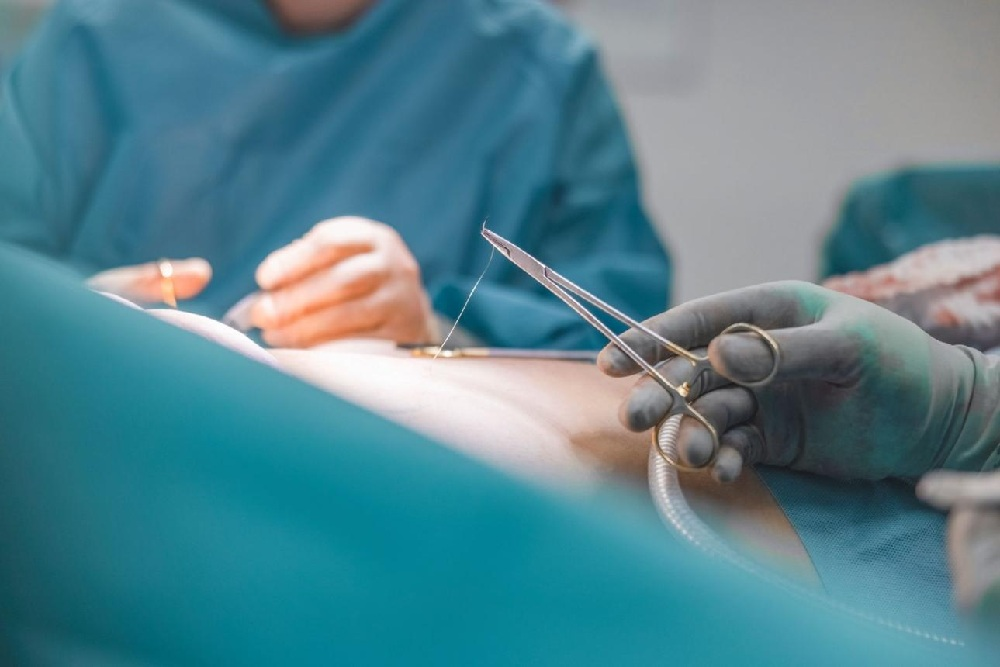
Sutures are the most common and traditional method of wound closure. They involve using a needle and thread to sew the edges of a wound together.
Types of Sutures
- Absorbable sutures – Dissolve on their own (used internally)
- Non-absorbable sutures – Must be removed after healing
- Monofilament vs. multifilament – Single strand vs. braided
When Sutures Are Used
- Deep wounds
- Surgical incisions
- Areas under tension (like joints)
Advantages
- Strong and reliable
- Suitable for deep wounds
- Precise closure
Disadvantages
- Requires removal (in some cases)
- Can leave marks if not done properly
2. Staples


6
Staples are often used in surgical settings, especially for large or straight wounds.
Key Features
- Applied quickly using a special device
- Common in scalp, abdomen, and orthopedic surgeries
Advantages
- Faster than sutures
- Lower infection risk in some cases
- Strong closure
Disadvantages
- Less precise than stitches
- May leave more noticeable scars
3. Adhesive Strips (Steri-Strips)


6
These are small sticky strips used to hold the skin together.
When They Are Used
- Minor cuts
- Low-tension wounds
- After stitch removal for support
Advantages
- Painless
- Easy to apply
- No need for removal
Disadvantages
- Not suitable for deep or large wounds
- May fall off if exposed to moisture
4. Tissue Adhesives (Medical Glue)


7
Medical-grade glue is used to bond skin edges together.
Common Uses
- Small cuts
- Facial wounds
- Pediatric cases
Advantages
- Quick and painless
- No needles required
- Minimal scarring
Disadvantages
- Not suitable for high-tension areas
- Can break open if stressed
5. Advanced Closure Techniques


7
For complex or severe wounds, advanced medical techniques may be needed.
Skin Grafts
Healthy skin is taken from another part of the body and placed over the wound.
Flap Surgery
Tissue with its own blood supply is moved to cover the wound.
Negative Pressure Wound Therapy (NPWT)
Uses a vacuum device to promote healing and remove fluids.
When Used
- Burns
- Large tissue loss
- Chronic wounds
Types of Wound Closure Approaches
Doctors also classify wound closure based on timing:
1. Primary Closure
- Immediate closure after injury
- Used for clean wounds
- Fast healing with minimal scarring
2. Delayed Primary Closure
- Wound is left open temporarily
- Closed after infection risk decreases
3. Secondary Closure
- Wound heals naturally without stitches
- Used for infected or large wounds
Factors That Influence Closure Choice
Doctors consider many factors before choosing a method:
- Size and depth of the wound
- Location on the body
- Patient’s age and health
- Risk of infection
- Blood supply to the area
- Cosmetic concerns
For example, facial wounds often use fine sutures or glue to minimize scarring, while deeper wounds may require layered stitching.
The Wound Healing Process
Understanding how wounds heal helps explain why proper closure is important.
Stages of Healing
- Hemostasis – Blood clot forms
- Inflammation – Body fights infection
- Proliferation – New tissue forms
- Maturation – Scar strengthens
Proper closure supports each of these stages.
Risks and Complications
Even with proper care, complications can occur:
- Infection
- Scarring
- Wound reopening (dehiscence)
- Allergic reactions to materials
Warning Signs
- Increased redness or swelling
- Pus or discharge
- Fever
- Persistent pain
If these occur, medical attention is necessary.
Aftercare Tips for Closed Wounds
Proper care is essential for healing.
General Guidelines
- Keep the area clean and dry
- Follow doctor’s instructions
- Avoid pulling or stretching the wound
- Change dressings as advised
- Watch for signs of infection
For Sutures or Staples
- Do not remove them yourself
- Attend follow-up appointments
For Adhesives
- Avoid picking or scratching
- Let them fall off naturally
How Long Does It Take to Heal?
Healing time depends on several factors:
- Minor cuts: 5–10 days
- Stitched wounds: 1–2 weeks
- Surgical wounds: 2–4 weeks or more
- Deep wounds: Several months
Complete scar maturation can take up to a year.
Minimizing Scarring
While some scarring is inevitable, you can reduce its appearance:
- Use sunscreen on healed skin
- Avoid picking scabs
- Stay hydrated
- Use doctor-recommended creams
Advanced treatments like laser therapy or silicone sheets may also help.
When to Seek Medical Help
Not all wounds should be treated at home.
Seek medical care if:
- The wound is deep or large
- Bleeding doesn’t stop
- There is visible bone or muscle
- The wound is caused by an animal bite
- Signs of infection appear
Prompt treatment can prevent complications.
Conclusion
Wound closure is a vital part of medical care that goes far beyond simply closing the skin. From traditional stitches to modern techniques like tissue adhesives and vacuum therapy, each method is carefully chosen to promote healing, prevent infection, and reduce scarring.
Understanding how wounds are closed helps you make better decisions about care, whether it’s treating a minor cut at home or seeking medical attention for a serious injury. With proper treatment and aftercare, most wounds heal effectively, allowing the body to restore itself naturally.
